Shannon Des Roches Rosa
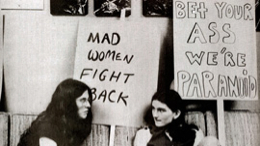 |
| Psychiatric survivors during a protest in 1976 |
Lives Worth Living is a new documentary on the history of the American Disability Rights movement, specifically the critical years from World War II to the signing of the Americans With Disabilities act (ADA) in 1990. It is a necessary, unapologetic, inspiring, instructive, and far-too-short film that could easily beome a series — so many important people interviewed, so many topics covered, so quickly. (For those who want to dig deeper, the Lives Worth Living site includes an interactive timeline of international Disability Rights, and a list of interviewees.)
Viewers are given no opportunity to adopt the too-common patronizing perspective towards the disability rights activists in the film — there’s no time, these people have urgent stories to tell about themselves and their movement’s history. Some subjects reject pity outright, as when Ann
Ford tells how it felt to be the cute little disabled kid on display at March of Dimes events while people looked at her in her oversized wheelchair in horror — and quickly put
their money in the donation container because they didn’t want their kids to end up like
her. Or when Judy Heumann describes living in a society that assumes you don’t have the same desires, hopes, and dreams as everyone else. A society that builds houses, schools, and facilities you can’t use — often with federal funds supplied by taxing you or your parents.
 |
| ADAPT protesters climb the steps to the Capitol
on March 12th 1990 |
Lives Worth Living makes it clear that when people with disabilities saw the accommodations so readily provided to newly disabled World War II veterans, they realized they had the right to — and needed to — fight for those same accommodations, that same acceptance. It also became evident that the people in institutions like Willowbrook State School were being neglected and abused.
It took decades of intense disability rights activism — protests, demonstrations, arrests, occupying the rotunda of the Capitol building — until George H.W. Bush signed the ADA, saying,
“Let the shameful wall of exclusion finally come tumbling down.” Though as Judy Heumann noted, “Discrimination doesn’t easily end just because legislation
passes. The fight against discrimination will continue to go on for
decades.”
The closing message of Lives Worth Living: people with disabilities are everyone’s peers; they are not just people who need to be helped. That message was primary during last month’s Self-Advocate/Parent Dialogues on this site, and was demonstrated dramatically at yesterday’s Occupy Oakland protest when police used teargas on a protester in a wheelchair. It’s a message I hope will be received, widely.
Watch Like an Emancipation Proclamation for the Disabled on PBS.
See more from Independent Lens.
Lives Worth Living premieres on PBS tomorrow, October 27, at 10 PM
